Operational Excellence | Improvement & Advisory

Better operations. Stronger teams. Lasting improvement.

I work with operational leaders and teams to understand what's limiting performance, make better-informed decisions and implement practical improvements that last.

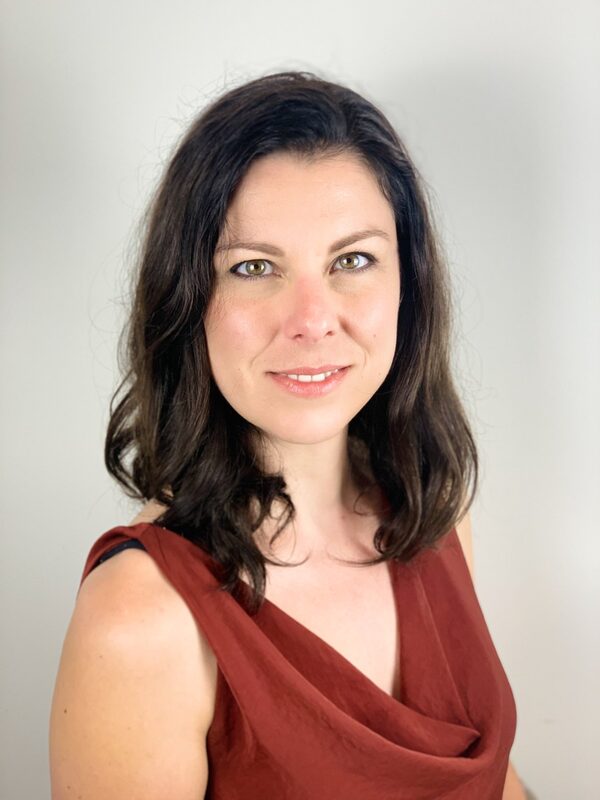
Charlotte Cordier
Charlotte Cordier Industrial engineer. 19 years improving operations in Australia and the United States.

Organisations I've worked with and alongside

  • Thales
  • AstraZeneca
  • Landis+Gyr
  • Essilor
  • AGL
  • DSI Underground
  • Fenner Dunlop
  • Flexcon
  • Hanes
  • SBS
  • Honsha
  • Association for Manufacturing Excellence

The situation

When your operation is under pressure, knowing what to change isn't always straightforward.

Most operational leaders I speak with aren't short of effort or ideas. They're short of a clear, shared view of what is actually limiting performance.

  • We need more output, and I'm not sure what the operation can really produce.
  • Targets keep slipping, and the reason changes every week.
  • The team says they're flat out. I believe them, but I can't see where the time goes.
  • I've been asked for more people, equipment or investment, and I want the evidence first.
  • Work waits, then everything is urgent. Flow is never the same two weeks running.
  • We've run improvement initiatives before. The results didn't hold.
  • The priorities are clear in the plan. Less so on the floor.
  • My leaders are strong operators, but nobody has shown them how to lead improvement.

Sometimes the answer is better flow, clearer standards or a steadier daily routine. Sometimes the operation genuinely needs more people or equipment. My job is to establish the facts with you, so the decision you make is the right one, and then to make the change work in practice.

Ways to work together

Three ways to engage me, depending on what you need now.

The work is scoped around your situation, not a standard package. Some clients start with advice and move into a project. Others bring me in for a few days a month to lead improvement alongside their team.

01

Operational Advisory

An independent view before you commit.

Independent assessments, operational diagnostics, capacity analysis, decision support and improvement prioritisation.

When it fitsYou're facing a significant decision about capacity, investment, resourcing or priorities, and you want an evidence-based read first.

Operational Advisory
02

Operational Improvement Projects

Hands-on improvement, alongside your team.

Practical improvement initiatives delivered with your leaders and teams: clear priorities, implementation on the floor, and performance measured against a baseline.

When it fitsYou know where performance is being lost, or we've found it together, and you need it fixed and held.

Improvement Projects
03

Fractional Operational Excellence Leadership

Experienced improvement leadership, a few days at a time.

Embedded Operational Excellence leadership for a few days per week or month: driving improvement priorities, coaching leaders and building internal capability.

When it fitsYou need senior improvement leadership without a full-time hire. Your managers keep running the operation; I lead the improvement work around it.

Fractional OpEx Leadership

How I work

People. Engineering. Performance.

Three things I hold together on every piece of work. They aren't steps in a sequence. Each one keeps the other two honest.

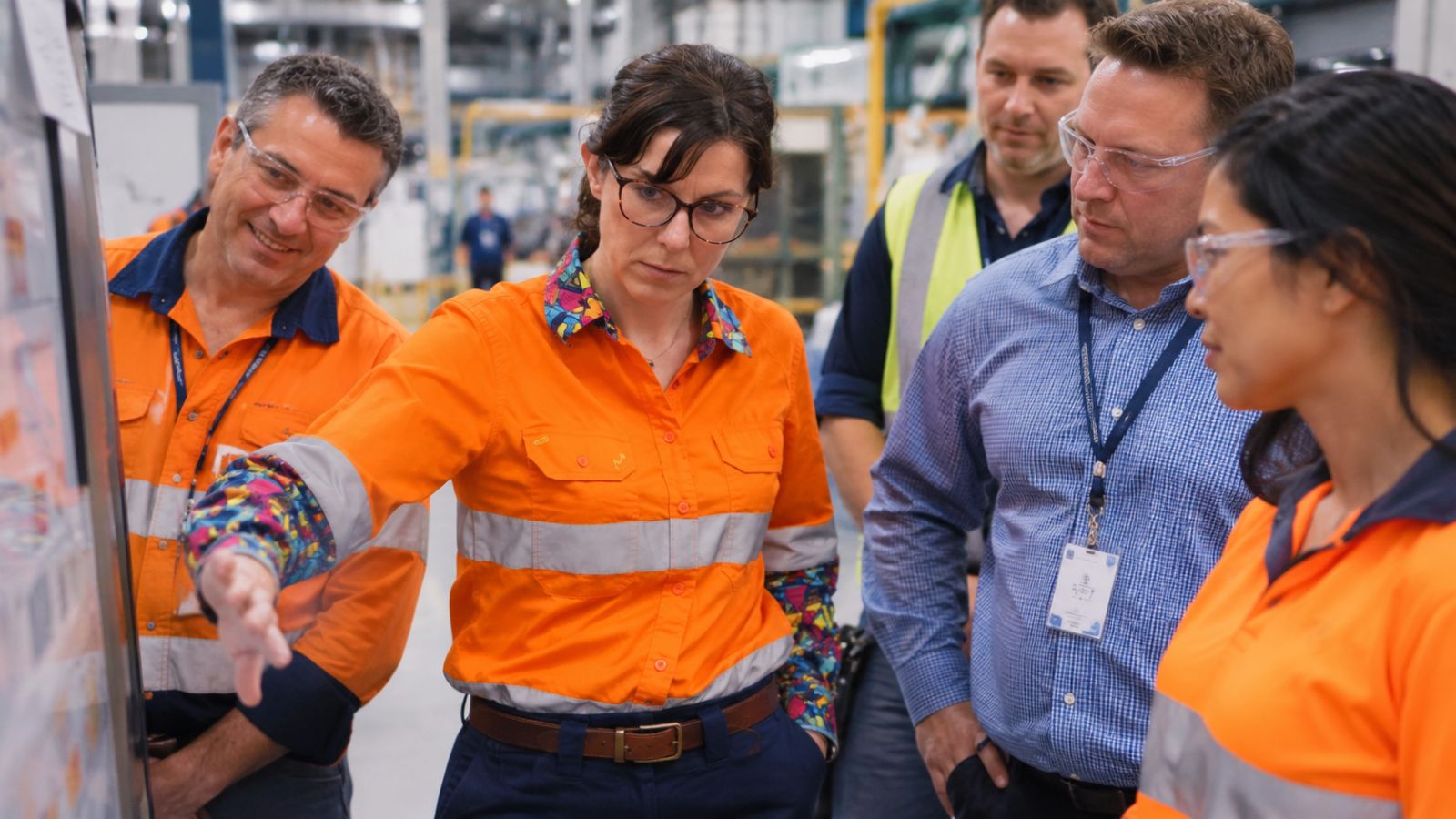
Charlotte at a visual management board with operators and leaders on a manufacturing floor
I get close to the work, make the system visible, and stay until the improvement holds.

People

I start with the people closest to the work. They usually know where it breaks down. They're rarely asked in a way that leads anywhere.

  • Time on the floor, on every shift that matters
  • Frontline and supervisor input, taken seriously

Engineering

What I hear gets tested against observation, operational data and engineering analysis. Opinions become evidence, or they get set aside.

  • Capacity models, loss and constraint analysis
  • Time studies, flow and process mapping

Performance

Changes are implemented with the team, measured against a baseline and built into routines your leaders own, so the capability stays when I step back.

  • Baseline, target and measured result
  • Standard work, daily routines, leader coaching

Results in practice

What the work has looked like.

Three documented examples from different environments. Client names are withheld; the numbers are as measured at the time.

Pharmaceuticals

A filling line that stopped every 23 minutes

OEE 58% → 77%+32,000 units per day within 10 weeks
Challenge
Stoppages every 23 minutes. Downtime was accepted as normal.
Found
No downtime data and no structured problem solving, so the same issues kept returning.
Actions
Visual downtime tracking with the frontline, a focus on the top three issues, root-cause problem solving and standard work, led with an internal CI lead.
Outcome
Stoppages every 3.2 hours, and four separate 12-hour runs with no stoppage.
Read the case study
Defence manufacturing

Capacity facts before a major capital decision

5 scenariosmodelled; inspection time cut by about half
Challenge
Significant capital investment and a site change were on the table, without a clear view of current constraints.
Found
Capacity modelled by work centre across five growth scenarios showed metrology as a bottleneck.
Actions
Constraint analysis and a redesign of the metrology process.
Outcome
About 50% of inspection time saved, and a capacity roadmap the board used to make its capital decision.
Read the case study
Mining equipment, multi-site

From reactive maintenance to planned work

28% → 74%planned maintenance ratio, four-year engagement
Challenge
Maintenance ran almost entirely in reactive mode, with wide variation between sites.
Found
No structured improvement capability at team leader, supervisor or manager level.
Actions
CI coaching at every leadership level, redesigned maintenance scheduling, planned maintenance targets and visual management.
Outcome
Planned maintenance ratio from 28% to 74%, with productivity gains documented across multiple Kaizen events.
Read the case study

All case studies

Operational Scorecard

Not sure what's limiting operational performance?

Take a short operational self-assessment across flow, quality, capacity, capability and measurement to identify areas worth investigating.

Fifteen questions, about five minutes. It's a starting point for a conversation, not a diagnosis.

Take the Scorecard
  • Flow & lead time
  • Quality & rework
  • Capacity & demand
  • Standard work & capability
  • Measurement & management
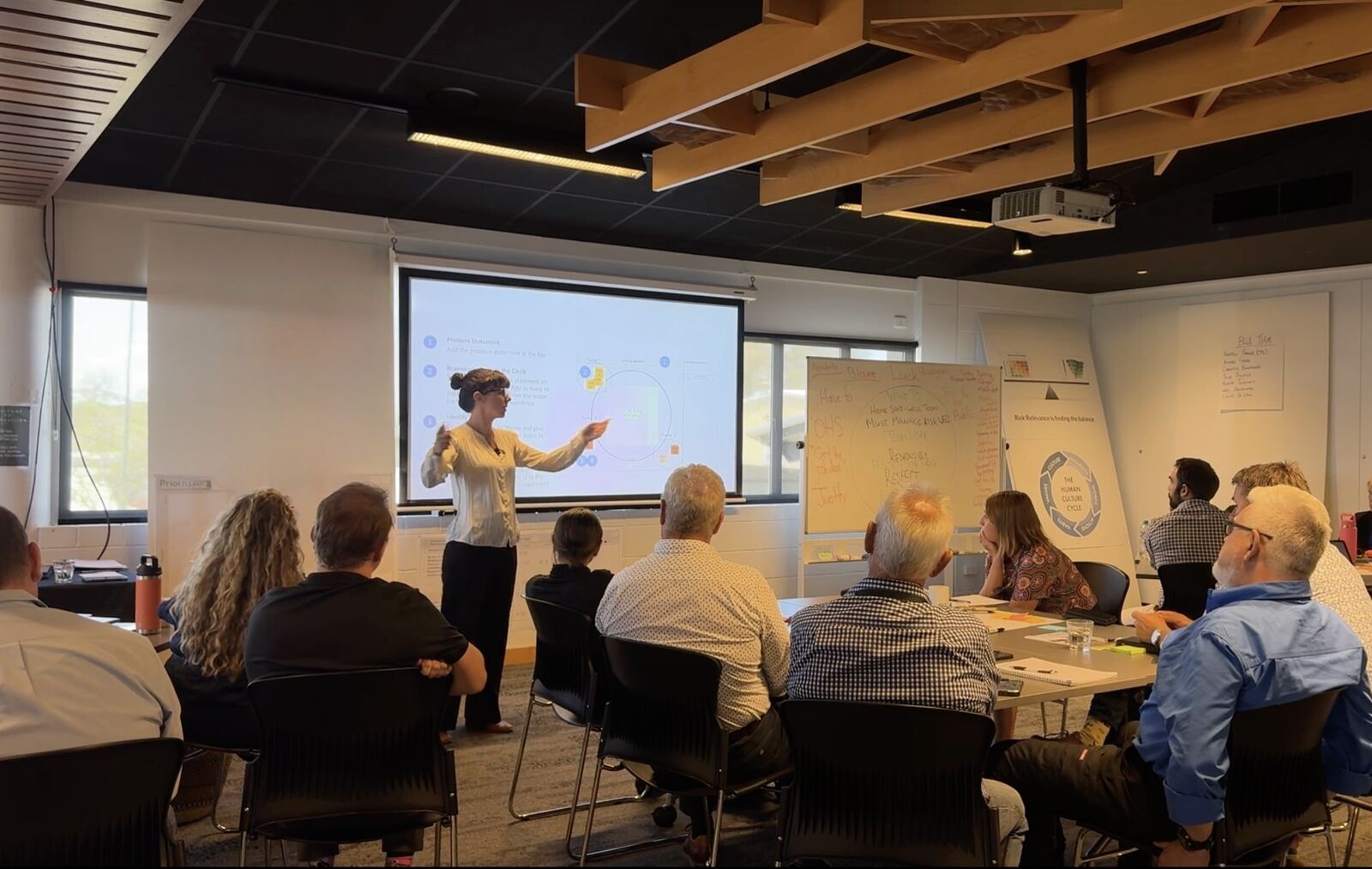
Charlotte leading a problem-solving session with an operations team

About Charlotte

An industrial engineer who started on the production floor.

I trained as an industrial engineer in France and started my career at Thales Microelectronics there in 2007. Thales then transferred me to Australia, where I worked on the production floor, introducing new products into production and training operators. Since then I've led improvement and operational excellence work in defence, pharmaceuticals, electronics, energy, mining equipment, logistics and media, in Australia and the United States.

What I've learned is that results last when the people doing the work shape the change, when decisions rest on evidence, and when leaders have the routines and skills to keep improving after I step back.

  • 19 yearsin operations and improvement
  • Master'sIndustrial Engineering, ECAM France
  • Australia & USAwhere I've delivered work
  • NSW AMEcommittee member
More about Charlotte

Start with a conversation

Let's talk about what's happening in your operation.

Bring a challenge, a decision you're weighing or an improvement priority. You don't need a project brief. In 30 minutes we'll work out what's going on and whether I'm the right person to work on it with you.

Free, no obligation. You choose a time in Google Calendar.

Prefer to write first?

Tell me a little about your operation and I'll reply by email.

Your details are used only to reply to this message.